
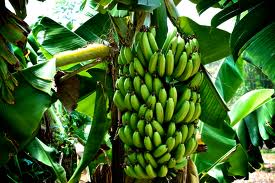
 A banana is an edible fruit which grows on several kinds of large, herbaceous flowering plants in the genus Musa. Almost all modern edible parthenocarpic or seedless bananas come from two wild species – Musa acuminata and Musa balbisiana. Musa x paradisiaca is a hybrid. The banana plant grows 10-26 ft (3.048-7.62 m) and belongs to the same family as the lily and the orchid. The cluster of fruits contain anywhere from 50 to 150 bananas with individual fruits grouped in bunches, known as “hands,” containing 10 to 25 bananas. While we are accustomed to thinking of sweet bananas as having yellow skins, they can also feature red, pink, purple and black tones when ripe.
Bananas are thought to be native to South and Southeast Asia, probably to Malaysia around 4,000 years ago, but were first domesticated in Papua New Guinea. From here they spread throughout the Philippines and India. In 327 B.C. Alexander the Great’s army recorded them being grown. Bananas were then introduced to Africa by Arabian traders and discovered in 1482 A.D. by Portuguese explorers who took them to the Americas, the place where the majority of bananas are now produced.
Bananas were not brought to the United States for sale in markets until the latter part of the 19th century by Portugese traders, and were initially only enjoyed by people in the seacoast towns where the banana schooners docked; because of the fruit’s inability to be transported far. But since the development of refrigeration and rapid transport in the 20th century, bananas have become widely available. Today, bananas grow in most tropical and subtropical regions, 107 in total, with the main commercial producers being Costa Rica, Mexico, Ecuador and Brazil.
Bananas are one of our best sources of potassium, an essential mineral for maintaining normal blood pressure and heart function. Since the average banana contains a whopping 467 mg of potassium and only 1 mg of sodium, a banana a day may help to prevent high blood pressure and protect against atherosclerosis. The effectiveness of potassium-rich foods such as bananas in lowering blood pressure has been demonstrated by a number of studies. For example, researchers tracked over 40,000 American male health professionals over four years to determine the effects of diet on blood pressure. Men who ate diets higher in potassium-rich foods, as well as foods high in magnesium and cereal fiber, had a substantially reduced risk of stroke.
A study published in the Archives of Internal Medicine also confirms that eating high fiber foods, such as bananas, helps prevent heart disease. Almost 10,000 American adults participated in this study and were followed for 19 years. People eating the most fiber, 21 g (0.74 oz) per day, had 12% less coronary heart disease (CHD) and 11% less cardiovascular disease (CVD) compared to those eating the least, 5 g (0.17 oz 0z) daily. Those eating the most water-soluble dietary fiber fared even better with a 15% reduction in risk of CHD and a 10% risk reduction in CVD.
In addition to these cardiovascular benefits, the potassium found in bananas may also help to promote bone health, and their antacids protect against stomach ulcers and ulcer damage. In one study, a simple mixture of banana and milk significantly suppressed acid secretion. In an animal study, researchers found that fresh bananas protected the animals’ stomachs from wounds. Bananas work thiis protective magic in two ways: First, substances in bananas help activate the cells that compose the stomach lining, so they produce a thicker protective mucus barrier against stomach acids. Second, other compounds in bananas called protease inhibitors help eliminate bacteria in the stomach that have been pinpointed as a primary cause of stomach ulcers.
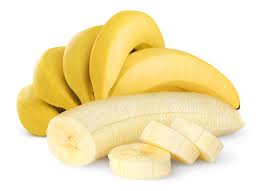 Bananas are also a smart move if you have suffered from a bout of diarrohea, which can quickly deplete your body of important electrolytes. Bananas can replenish your stores of potassium, one of the most important electrolytes, which helps regulate heart function as well as fluid balance. In addition, bananas contain pectin, which helps normalize movement through the digestive tract and ease constipation. Bananas are an exceptionally rich source of fructooligosaccharide, a prebiotic because it nourishes probiotic (friendly) bacteria in the colon. These beneficial bacteria produce vitamins and digestive enzymes that improve the ability to absorb nutrients, plus compounds that protect us against unfriendly microorganisms. When fructooligosaccharides are fermented by these friendly bacteria, not only do numbers of probiotic bacteria increase, but so does the body’s ability to absorb calcium. In addition, gastrointestinal transit time is lessened, decreasing the risk of colon cancer.
About 190,000 cases of kidney cancer are diagnosed each year. Risk factors include smoking, high blood pressure, obesity, and exposure to toxic chemicals such as asbestos and cadmium. Research published in the International Journal of Cancer suggested that regular, moderated consumption of whole fruits and vegetables, especially bananas, can be protective. The results of this large population based prospective study (13.4 years) of 61,000 women aged 40-76, show that women eating more than 75 servings of fruits and vegetables per month (which translates into 2.5 per day) cut their risk of kidney cancer 40%. Among the fruits, bananas were especially protective. Women eating bananas four to six times a week halved their risk of developing the disease compared to those who did not eat this fruit. All of the above, tremendously good reasons to consume a banana a day, don’t you think?.
 Caro Field Author
Great post, though I have to admit bananas are one fruit I just cannot eat…their texture makes me gag for some reason! 🙂
Anita is exactly the same! I was born in Jamaica, so it is kind of obligatory for me to like them!
There is a real local-food movement going on (have you noticed) and when I think of only eating locally, I always think of how much I’d miss the ubiquitous and lovely banana!! In the case of this marvelous fruit, if I WERE to commit to only eating locally-produced foods, I think I’d make an exception . . .!
I love them and would miss them too if we only ate local…
One of the benefits of living in Mexico, we have a couple of banana trees and my brother in law has a few more, so there are always bananas around the homes we visit during the season. In Wisconsin, I usually include one in my morning smoothie but in Mexico, with all the great things to eat for breakfast, I usually leave the bananas for a quick afternoon snack. Whenever there is any kind of festival we can always get a fried banana, with a little raspberry preserves and sweet cream…………..I’ll bet they serve something like that in Jamaica as well.
Lucky you, as far as I am concerned. As far as Anita goes, she thinks they are the devils own work! Xx
Did not realize bananas were so beneficial.
They are considered manna from heaven by many athletes…